What's actually wrong with Polyester?

Check the label on almost anything in a high-street store and you'll find it. Polyester now makes up more than half of all fibre produced in the world. Cotton isn't even close.
That alone isn't a reason to hate it. But if you care about clothes that feel good and last, it's worth knowing what polyester actually is, why it's in almost everything, and when it really belongs in a garment.
First of all: it's plastic
Polyester is made from oil, melted down and pushed through tiny nozzles to make fibre. It's the same family of material as a water bottle. Cheap, strong, doesn't wrinkle, easy to wash. Exactly the qualities fast fashion was built on.
Not all polyester is the same
"Polyester" on a label can mean quite different things. First, the plastic itself:
- PET is the standard. The vast majority of polyester clothing is made from it, the same plastic as bottles.
- PBT and PTT are variations that stretch and spring back better. You find them in swimwear, sportswear and stretch trousers.
- Recycled polyester is chemically the same as PET, just made mostly from old bottles.
Then, how it's turned into yarn, which matters just as much:
- Filament is one long, continuous thread. Smooth and shiny. Think linings, "satin" blouses, silk-look scarves.
- Staple fibre is chopped into short pieces and spun like cotton or wool. This is the version hidden in "wool blend" coats and poly-cotton shirts. It's made to imitate a natural fibre.
- Microfibre and fleece are very fine or brushed fibres. Soft, but they shed the most when you wash them.
- Fibrefill is the fluffy padding inside puffer jackets.
Two more you'll see on labels: polyamide (nylon) and acrylic. Acrylic is the classic cheap wool imitation in knitwear.
Why it's a problem
It doesn't go away. A cotton shirt in the ground breaks down within weeks. A polyester one is still there decades later.
It sheds every time you wash it. Each wash releases tiny plastic fibres that are too small for filters to catch. They end up in rivers and the sea. Fleece is the worst.
Recycling is mostly a story about bottles. Almost all recycled polyester comes from bottles, not old clothes. Less than 1% of all fibre made comes from recycled textiles. And blends make it worse: once wool and polyester are spun into one yarn, you can't really separate them again. A 70/30 coat is basically unrecyclable.
It holds on to smell. Polyester doesn't absorb sweat, but the oily parts stick to it and odour-causing bacteria grow better on it. Studies keep finding that polyester shirts smell worse than cotton ones after a workout, even after washing.
Why your "wool blend" coat doesn't keep you warm
This is the one most people learn the hard way.
Wool keeps you warm for a few reasons. Every wool fibre is naturally crimped, like a tiny spring. So the fibres don't lie flat, and the cloth traps a lot of still air, which is what actually insulates you. Wool also takes up moisture from your body and from the air, around a third of its own weight, without feeling wet. It even gives off a little heat while doing that. That's why a wool coat still feels warm on a damp, cold day.
Polyester staple fibre is smooth and straight. It packs tighter, traps less air and doesn't take up any moisture. Sweat stays on your skin or condenses inside the coat, and you go from clammy to cold.
Then there's the label trick. "Wool blend" has no minimum. You'll easily find coats sold as wool blend with only 15 to 30% wool. At that point you're wearing a plastic coat with a bit of wool for the name. As a rough rule: if a coat is under about 70% wool and the rest is polyester or acrylic, don't expect it to feel like a wool coat.
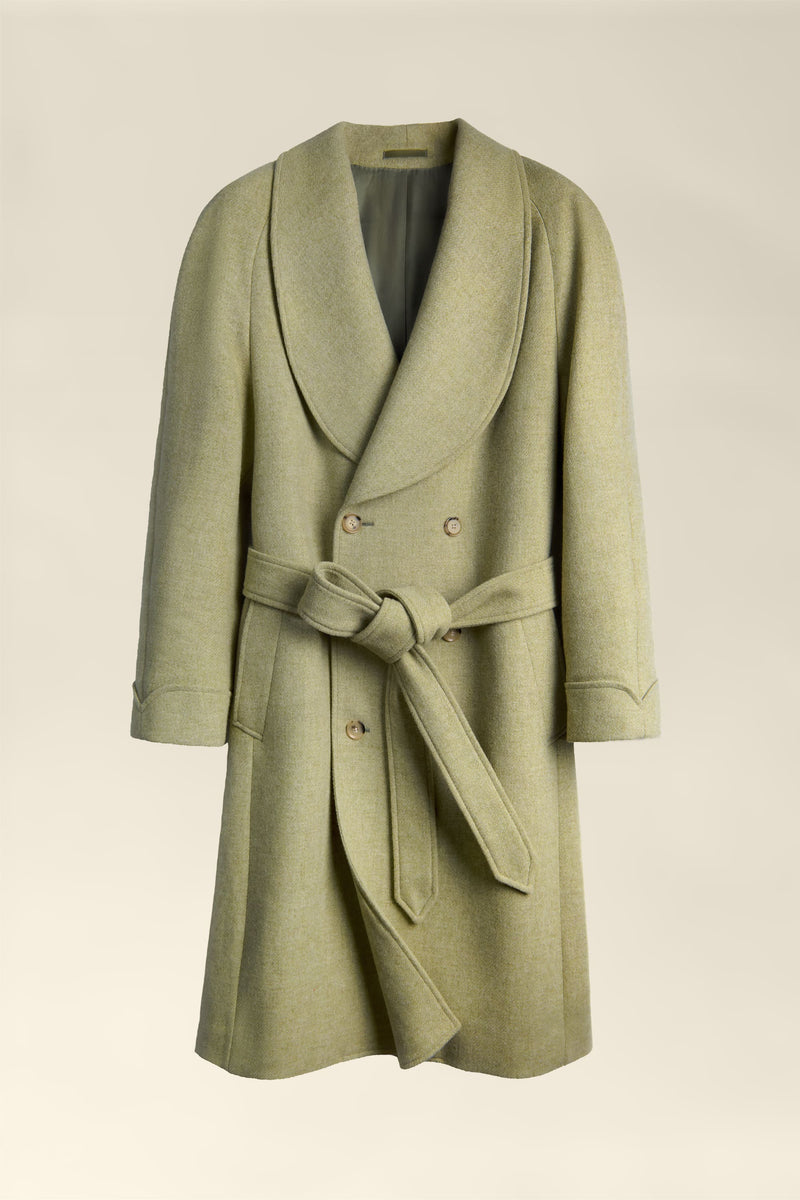
That's also why every coat on Flavio's is either 100% wool or a mix with cashmere or other natural fibres. Take the Aurelian overcoat by Angelil, in sage or navy. It's cut from pure wool tweed, warm without being heavy, and it works over a sweatshirt as well as over a suit. No polyester padding out the cloth, no "wool blend" on the label. And at €545 it shows that a proper wool coat that actually looks good doesn't have to be expensive.

So why do companies mix fibres at all?
There are good reasons and there are cheap reasons.
The good ones:
- Strength where clothes wear out. A little nylon makes wool cloth a lot tougher against rubbing, at the cuffs, pocket edges, or where a bag strap sits. In textile tests, around 10% nylon has been shown to more than double a fabric's abrasion resistance.
- Stretch. A few percent elastane in jeans or trousers so you can move.
- A real function. Strong sewing thread, waterproof outdoor gear.
The cheap ones:
- Cost. Good wool is expensive. Every percent of polyester replaces wool at a fraction of the price.
- Easy care. Wrinkle-free and machine washable is convenient, but it's also why poly-viscose suits look flat and shiny after a while.
- The label. "Wool blend" sells like wool, even when it isn't.
One side effect people don't expect: blends pill worse than pure fabrics. The weaker natural fibre breaks, and the strong polyester holds the little ball on the surface instead of letting it fall off. That's why cheap jumpers get those bobbles that never go away. Pure wool pills at first too, but those pills drop off over time.
"Stability": my tailor coat has 10% synthetic. Necessary or cheap?
I have a coat from a tailor that's 90% wool and 10% synthetic, so I wanted to know this myself. The honest answer: it can be both, and 10% is the good end of it.
Many heavy coat cloths, like melton (the dense, felted cloth of a classic peacoat), come as 90/10 or 85/15 wool and nylon. The US Navy actually tested an 85/15 wool and nylon melton for its peacoats in the 80s. The nylon kept the cloth strong and hard-wearing, while the mill could use less wool yarn. So yes, it adds durability. And yes, it also saves on wool.
Is it necessary? Not really. A proper 100% wool coating like melton, loden or a heavy tweed lasts decades. That's why "stability" is a bit of a weak argument for a heavy coat, since dense wool cloth is already stable. Where a bit of nylon really helps is in lighter or softer cloths, like cashmere blends, that would otherwise wear through at the cuffs and pockets.
And at 10% you won't feel a difference in warmth. What matters is what the synthetic is and how much: 10% polyamide in a dense wool cloth is a durability choice. 30% polyester in a soft high-street coat is a price choice.
When polyester makes sense
- Real outdoor and performance gear. A rain shell or mountain jacket has to be light, waterproof and dry fast. A waxed cotton jacket is perfect for a rainy Berlin morning, not for a glacier.
- Small amounts with a clear job. Thread, a bit of stretch, some nylon in a coat cloth.
From Nylon, not Polyester: Swim shorts
Swim shorts are one of the few places where synthetic really is the right call. Cotton shorts stay wet, heavy and saggy for hours. But even here, not all synthetics are the same.
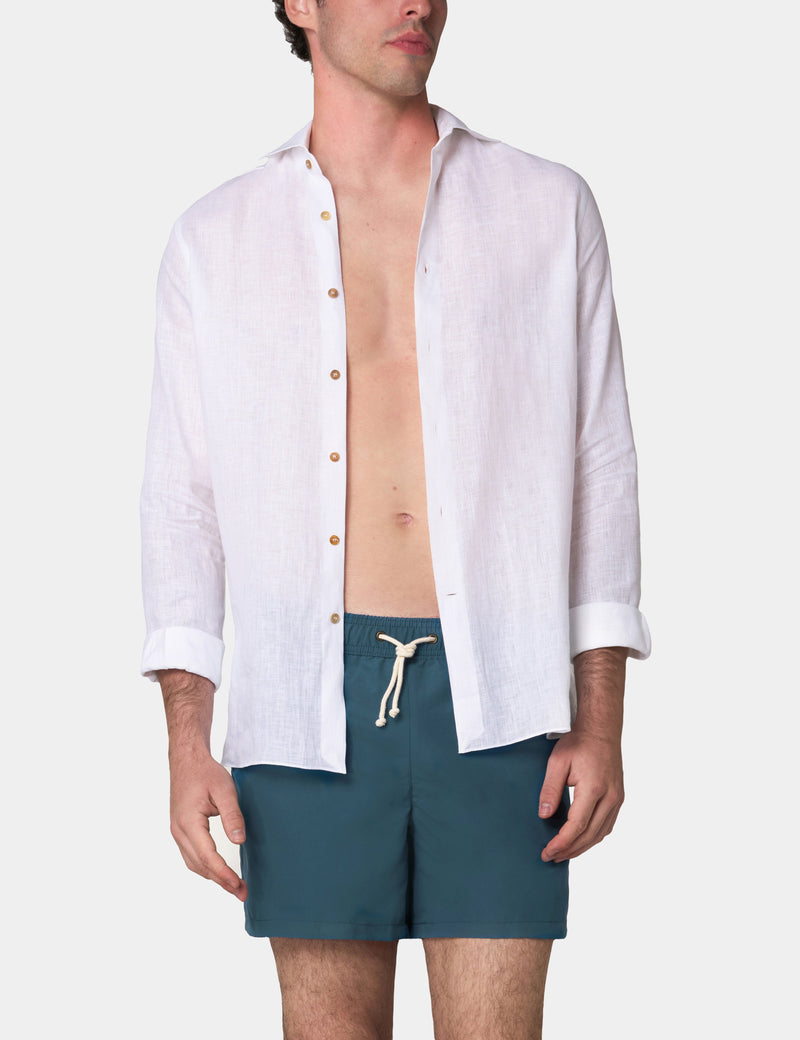
Take Ripa Ripa, the Italian brand we carry on Flavio's. To me they show plastic at its best: used only where it adds real value, and made in its most luxurious form. Their swim shorts are made in Italy from a brushed 100% polyamide (nylon), and it's a world away from the usual shiny polyester trunks:
- They feel less like plastic. Polyamide holds a little more moisture than polyester, so it feels softer and less slick on the skin.
- They're tougher. Nylon handles rubbing better, which matters on rough sun loungers, sand and rocks.
- They hang better. More drape, a bit of give, less like a sail.
 The fabric construction does a lot of the work too. Ripa Ripa uses a ring-spun yarn, which is smoother and tighter, and then brushes the surface so it feels soft and almost cotton-like instead of shiny. If you need a synthetic, pick the one that feels good and lasts, and then wear it for many summers.
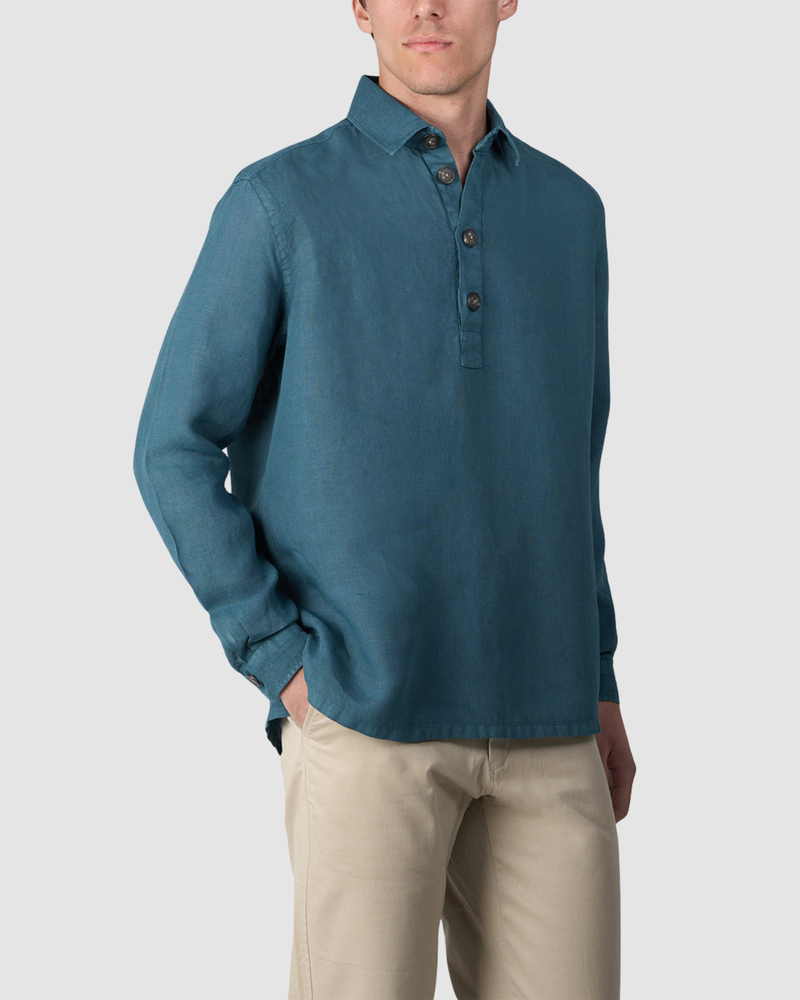
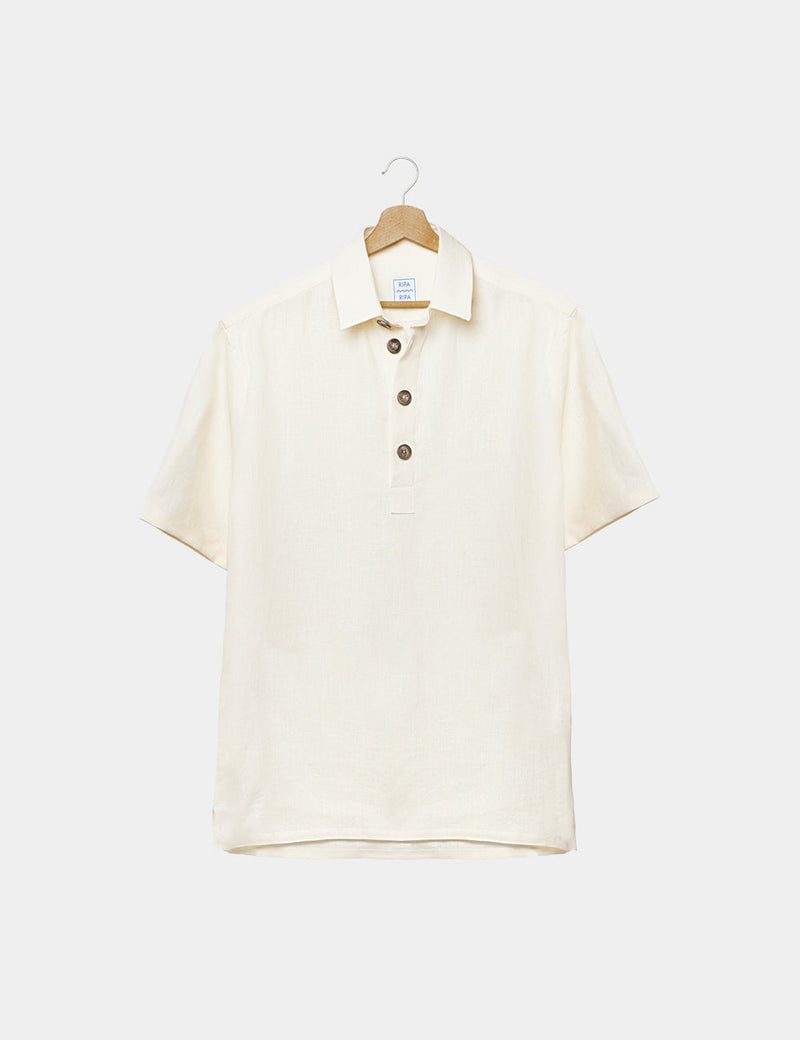
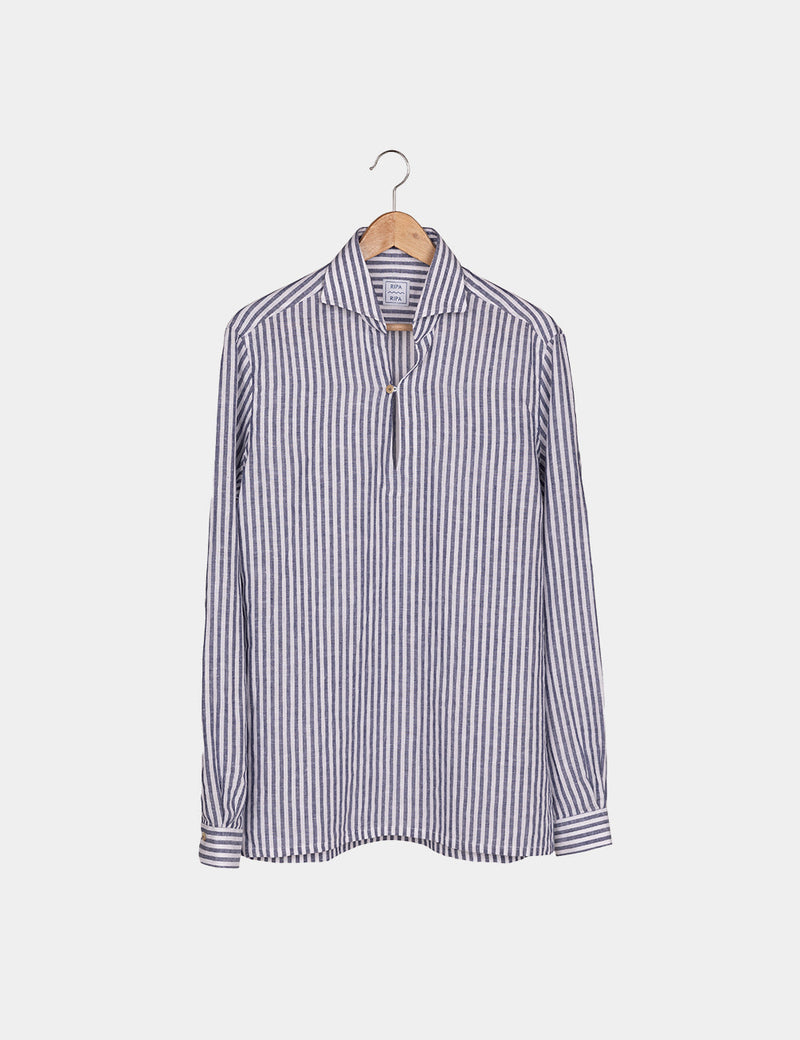
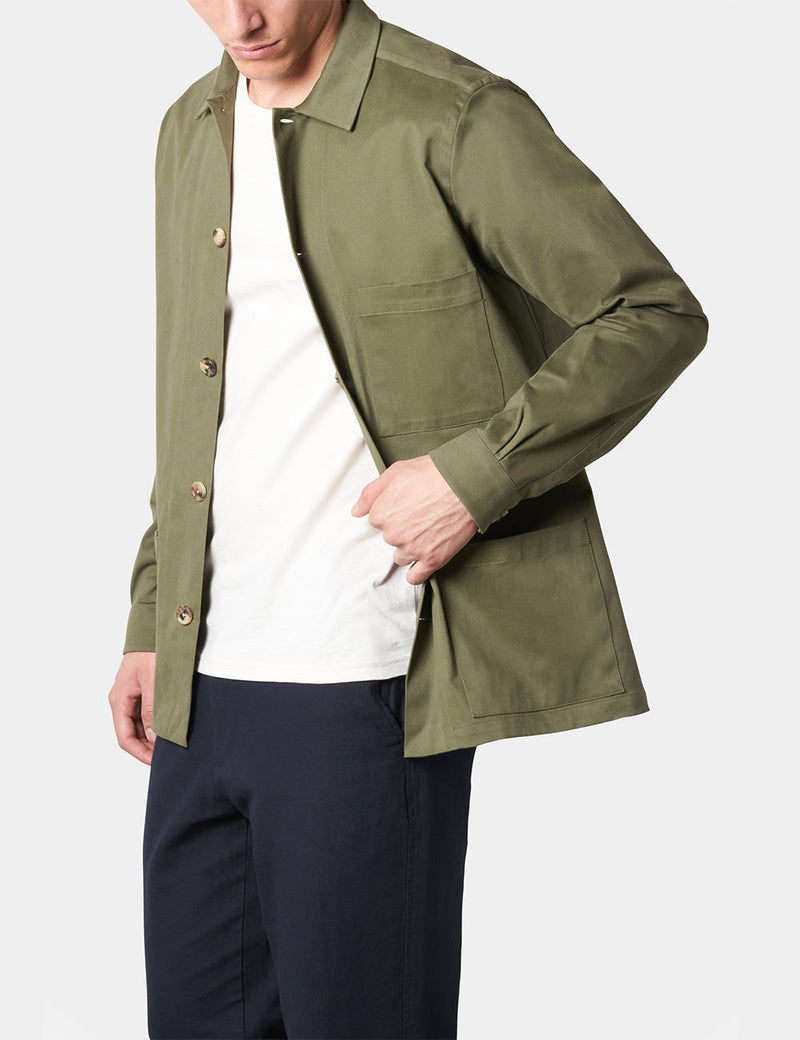
What we like about Ripa Ripa is that the synthetic stops at the waterline. Everything else they make goes natural: the Capri and Ischia shirts and the Mondello and Vomero polos are linen, and the Chiaia jacket is cotton. All made in a small studio near Naples, Italy. Synthetic where it does a job, natural fibres everywhere else. That's exactly how it should be.
When Polyester doesn't make sense
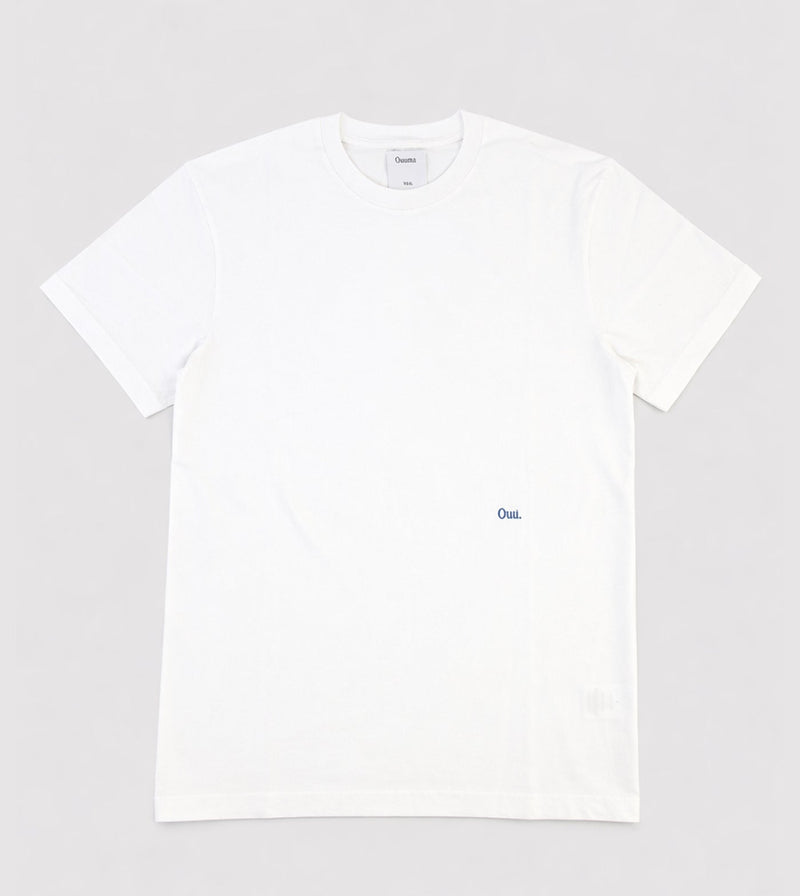
- Anything you sweat in close to your skin. Shirts, T-shirts, underwear, socks. Cotton, linen and merino are simply better. Ouuma's WS-01 T-shirt in organic cotton from Portugal (at 55€) will feel better on a warm day than any polyester tee, and won't hold on to the smell.
- Coats and knitwear that are meant to keep you warm. See above.
- Tailoring. Wool suits breathe, drape and recover from wrinkles overnight. Poly-viscose doesn't.
- "Wool blend" or "wool-rich" without the percentage up front: check the inside label before you buy.